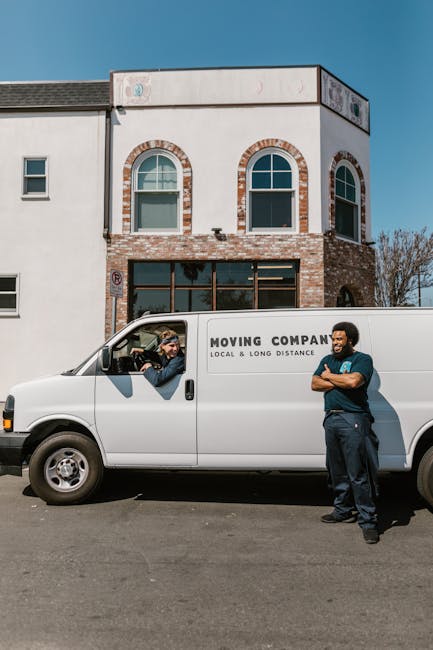
Cost comparison Lambeth removals versus DIY van hire
If you are weighing up Cost comparison Lambeth removals versus DIY van hire, you are probably trying to answer a very ordinary but awkward question: should you pay for a professional move, or try to save money with a rented van and a long day of lifting, driving, and problem-solving? In Lambeth, where parking can be tight, access can be awkward, and time often disappears faster than expected, the cheapest-looking option is not always the cheapest by the end of the day. This guide breaks down the real costs, the hidden extras, and the practical trade-offs so you can make a decision that feels sensible rather than hopeful.
You will find a clear comparison, a step-by-step approach to estimating your moving budget, and a few grounded tips from real moving-day reality. Let's face it: a move is stressful enough without discovering the "budget" option came with two extra trips, a parking ticket, and a sore back.
Why Cost comparison Lambeth removals versus DIY van hire Matters
At first glance, DIY van hire looks like the bargain option. You book a van, collect your boxes, rope in a friend, and do the move yourself. Simple, right? In practice, moving is a bundle of small expenses and time costs that can shift the outcome quite a lot. Fuel, insurance excess, van size, mileage, congestion, loading time, parking difficulties, and the number of trips all matter. In Lambeth, where streets can be busy and access varies from one property to the next, those details can become the difference between a tidy spend and a very frustrating day.
The reason this comparison matters is that most people only compare the headline price. They see the van-hire fee or the removal quote and stop there. But the true question is broader: what will the move cost in money, time, energy, and risk? A lower upfront price can still be the more expensive option once delays, damage, or last-minute extras are counted in. That is especially true if you are moving from a flat, dealing with stairs, or trying to complete everything in one tight window.
There is also the human side of it. If your moving day is already packed with key handovers, childcare, work calls, or a train timetable you cannot miss, the cheapest solution may not be the calmest. And calm has value. Quietly, it has a lot of value.
If you want to understand the service side of the equation more broadly, it can help to look at the wider range of options on removals and man and van pages, then compare them against the effort of going fully DIY.
How Cost comparison Lambeth removals versus DIY van hire Works
The comparison works best when you break both options into the same cost categories. That way you are not comparing a polished removal quote against a bare van hire price and pretending they are equivalent. They are not.
Typical cost elements in professional Lambeth removals
- Labour: movers handle lifting, carrying, loading, and unloading.
- Vehicle and fuel: the van or truck is included in the service price or bundled into the quote.
- Time: often priced by hour, by load, or as a fixed rate depending on the job.
- Protection: some level of insurance and handling process is usually built in.
- Equipment: trolleys, blankets, straps, or packing support may be included or available as extras.
Typical cost elements in DIY van hire
- Van rental: base hire fee, often the first figure people focus on.
- Fuel: and sometimes more than you expect if there are multiple trips.
- Insurance add-ons: excess reduction, additional driver cover, or higher protection levels.
- Damage risk: to your goods, the van, doorways, flooring, or nearby property.
- Parking and access: permits, loading restrictions, or the risk of fines.
- Your own time: plus the cost of helpers, takeaway food, and the inevitable second coffee.
The real calculation should include how long the move will actually take. A one-bedroom flat may look easy on paper, but if there is no lift, a narrow stairwell, or parking several doors away, the job grows quickly. A professional crew may complete the move faster because they work as a team and know how to stack a van efficiently. DIY can still win on price, but usually only when the load is small, access is straightforward, and you have reliable help.
If you are checking prices properly, a clear quote process matters. You can see how a structured estimate is handled on the site's pricing and quotes page, which is a useful starting point when you want to compare like with like rather than guess.
Key Benefits and Practical Advantages
Both routes have clear upsides. The better choice is rarely about "which is cheaper in theory" and more about "which gives the best value for this particular move."
Why professional removals can be better value
- Faster loading and unloading: experienced movers tend to work more efficiently.
- Less strain on you: fewer heavy lifts, fewer awkward angles, fewer oops moments at the top of the stairs.
- Reduced damage risk: items are handled by people who move furniture every day.
- Less disruption: your move may fit into a smaller time window, which is handy in a busy week.
- Better for awkward items: sofas, wardrobes, washing machines, and heavy desks are easier with the right hands and equipment.
Why DIY van hire can still make sense
- Lower upfront cost: especially for very small loads.
- Full control: you decide the pace, route, and packing order.
- Flexible timing: useful if your schedule is simple and you are not tied to a strict moving slot.
- Good for decluttering runs: if you are moving only a few items or doing a tip-and-storage run.
To be fair, DIY has one huge advantage: it feels direct. You are paying for the van, not for anything that looks like "service." But the service part is often the thing that protects your time and reduces hidden cost. That is why people moving from larger homes, upper floors, or busy roads often lean towards a professional provider such as movers or a removal company, especially when the day is already complicated.
Who This Is For and When It Makes Sense
This comparison is useful for a wide range of people, but the decision usually becomes easier when you look honestly at your actual move rather than the ideal version of it.
DIY van hire tends to suit:
- students or single occupants moving a small number of boxes
- people relocating a few large items rather than an entire household
- moves with simple access, ground-floor loading, and nearby parking
- those who already have strong helpers and enough time to spare
- budget-conscious movers who can tolerate a longer, messier day
Professional removals tend to suit:
- family moves with a lot of furniture
- flats with stairs, lifts, or awkward hallways
- any move with time pressure or a fixed handover slot
- office moves or business relocations where downtime matters
- people who would rather pay a bit more for less stress and less physical risk
There is also a middle ground. Many households do not need a full-scale truck service, but they also do not want to self-drive a van and lift everything alone. In that case, a flexible option like man with van or man with a van can be a sensible compromise. Not too much, not too little. Exactly what some moves need.
Step-by-Step Guidance
If you want a fair cost comparison, use the same steps for both options.
- List everything you are moving. Include furniture, boxes, appliances, fragile items, and anything awkwardly shaped.
- Estimate access difficulty. Note stairs, distance from the van to the door, parking restrictions, and whether a lift is available.
- Check time pressure. Are you moving before work, between tenancies, or on a weekend with limited flexibility?
- Price the DIY route properly. Include van hire, fuel, insurance, congestion or parking costs where relevant, and refreshments for helpers. Yes, snacks count more than people admit.
- Price the removal route properly. Ask what is included, whether there are minimum hours, and whether extras such as packing support or specialist handling are available.
- Compare total effort, not only price. A cheaper van can still be expensive if the move takes twice as long.
- Build in a buffer. If the move feels tight, assume something will run late. It often does.
A practical move budget should also include what happens if plans change. For example, if you hire a van and then realise the sofa will not fit through the staircase, you may have to pay for extra time, extra labour, or a second vehicle. With a removal service, that risk is usually better managed because the team can adapt on the spot. That difference matters more than it sounds like it should.
If you are moving a business, the equation changes again. A commercial relocation is not just about furniture cost; it is about downtime, staff disruption, and having phones, computers, or stock in the right place. The service page for commercial moves gives a useful sense of how different that kind of move can be from a simple DIY run.
Expert Tips for Better Results
These are the little things that save money or stop costs from creeping up.
- Measure the awkward items first. A few centimetres can be the difference between one trip and two.
- Ask about access before you book. A good quote should reflect stairs, waiting time, or difficult parking.
- Pack boxes to a sensible weight. A box full of books looks innocent until you carry it downstairs.
- Keep essentials separate. Documents, chargers, toiletries, and keys should not be buried under bedding.
- Plan the route inside the property. Clear hallways and doorways before heavy lifting starts.
- Use the right service for the job. Bigger households usually benefit from a more complete service; tiny loads may not.
One small but very real tip: if your move is in Lambeth on a wet morning, extra slip risk and muddy floor protection suddenly matter. It is the sort of thing nobody includes in a spreadsheet, yet it can absolutely shape the whole day. A professional team that handles this kind of move regularly will usually move more calmly and with fewer "we'll just be careful" moments. Which, in a narrow staircase, is reassuring.
If you want added confidence around handling and care, it is worth reading about the company's insurance and safety approach before you decide. The right protection can turn an uncertain move into a much more manageable one.
Common Mistakes to Avoid
The biggest mistake is comparing a professional quote with a bare-bones van hire price and calling it a conclusion. That is not a comparison; that is a shortcut. A few other mistakes crop up again and again.
- Underestimating volume: people always, always underestimate how much they own.
- Forgetting access issues: stairs, tight corners, and parking distances add time and cost.
- Ignoring insurance terms: the low headline rental rate can hide a large excess.
- Not planning for help: one exhausted friend and a kettle are not a moving team.
- Leaving packing too late: rushed packing leads to damage and chaos.
- Assuming DIY is automatically cheaper: sometimes it is. Sometimes it really is not.
A gentler mistake is simply choosing based on nerves. If you dislike the idea of driving a large van through London traffic, that discomfort itself has a cost. It affects how you pack, how safely you drive, and how tired you feel when you arrive. No shame in that. Honestly, some people are brilliant at logistics and still hate van parking with the force of a thousand suns.
Tools, Resources and Recommendations
You do not need a complicated toolkit to make a good decision, but a few practical items help.
- Measurements: tape measure for furniture, doorways, stairwells, and van space.
- Inventory list: a simple notes app or paper list of every item going.
- Box count: helps you estimate how much space and how many journeys you need.
- Parking plan: know where the vehicle can stop, load, and unload.
- Moving essentials bag: keys, medications, chargers, toiletries, snacks, water, and documents.
For a broader view of available help, you can explore removal services, or if you need support with packed items, take a look at packing and unpacking services. If the job is just furniture or a few large pieces, furniture pick up may be the more practical route.
For price-focused decisions, the best recommendation is simple: ask for a clear written quote, compare what is included, and do not ignore the small print. On the DIY side, check fuel use, mileage, and insurance excess before you assume you have found a bargain.
Law, Compliance, Standards, or Best Practice
This is not an area where you want careless assumptions. In the UK, moving a van, loading property, and parking on busy streets can involve practical obligations around safe driving, loading limits, and local parking conditions. You do not need to memorise legislation to move house, but you do need to take safety and legal responsibilities seriously.
Best practice for either option includes:
- making sure vehicles are driven within their load limits
- securing items so they do not shift in transit
- checking parking and loading rules for the property and street
- using appropriate lifting technique and asking for help with heavy items
- protecting floors, doors, and walls during removal
- confirming insurance cover and responsibility for damage before moving day
Professional firms should be able to explain how they handle safety, payment, terms, and complaints in plain English. Those pages matter more than people think. They show how the business works, how issues are handled, and what you can reasonably expect if something goes wrong. If you want to check those basics, look at the company's health and safety policy, terms and conditions, and payment and security information.
For wider trust signals and accountability, it is also useful to review about us and the complaints procedure. They help you understand whether the service feels organised, transparent, and easy to deal with. That matters. A lot.
Options, Methods, or Comparison Table
Here is the simplest way to compare the two approaches side by side.
| Factor | Professional Lambeth removals | DIY van hire |
|---|---|---|
| Upfront cost | Usually higher | Usually lower |
| Hidden extras | Fewer surprises if quoted clearly | Fuel, insurance, parking, extra trips |
| Time required | Often less time on the day | Usually longer, especially with loading |
| Physical effort | Lower for the customer | High, especially with stairs or heavy furniture |
| Damage risk | Generally lower with experienced movers | Higher if items are packed or lifted poorly |
| Stress level | Usually lower | Usually higher |
| Best for | Full home moves, difficult access, time-sensitive jobs | Small moves, flexible schedules, simple access |
In a lot of real-world cases, the strongest value sits in the middle of the market. A simple man and van removals service can often bridge the gap between affordability and convenience. Likewise, if your load is heavier or more complex, a dedicated removal van arrangement may be more cost-effective than booking a larger DIY vehicle and trying to do everything yourself.
Case Study or Real-World Example
Imagine a one-bedroom flat in Lambeth with a sofa, bed, desk, kitchen items, and about twenty boxes. On paper, DIY van hire looks economical. The van fee is modest, you have two friends helping, and you think you can do it in one trip. Then the realities arrive: the parking bay is full, the sofa catches awkwardly on the stairwell bend, and you need extra time because one helper has to leave for work by lunchtime. Suddenly the move stretches into the afternoon, fuel is higher than expected, and everyone is tired before the new place is even halfway unpacked.
Now compare that with a professional move. The price is higher at the start, but the movers arrive with the right vehicle, organise loading efficiently, and complete the job in a tighter timeframe. The job may still take the same amount of calendar time because of access, but your personal effort is far lower. The real saving is not only money. It is also energy, risk, and the ability to get on with the rest of the day.
Of course, this does not mean DIY is wrong. If that same flat had only a few boxes, a small table, and a couple of suitcases, DIY would probably be the sensible choice. The point is that the answer changes with the size of the load and the complexity of the move. That is the bit people miss when they ask for a "cheap move" without defining the move itself.
If you are moving a full house rather than a single room, browsing house removals and house movers can help you see what a more complete moving service looks like in practice.
Practical Checklist
Use this before you book anything.
- Write down everything that needs moving.
- Measure the largest and heaviest items.
- Check if stairs, lifts, or tight corners will slow the move.
- Confirm whether parking is available close to both properties.
- Calculate van hire, fuel, insurance, and helper costs if choosing DIY.
- Request a detailed quote if comparing removal services.
- Ask what is included: labour, loading, unloading, equipment, and waiting time.
- Check whether your move date is flexible or fixed.
- Keep essentials, documents, and valuables separate.
- Read the terms, safety, and insurance information before you pay.
A calm moving day usually starts the day before, not on the morning itself. Bit annoying, yes, but true.
Conclusion
The smartest way to judge Cost comparison Lambeth removals versus DIY van hire is to look past the headline price and focus on the whole move. DIY van hire can be cheaper for small, simple jobs with good access and plenty of help. Professional removals often become better value when the load is larger, the access is tricky, or your time and energy are already stretched thin. In Lambeth, that distinction matters even more because parking, access, and timing can add friction quickly.
If you want the lowest upfront spend, DIY may still win. If you want fewer headaches and a more predictable move, a professional team may actually cost less in the ways that count most on the day. Either way, the best choice is the one that matches the size of your move, your comfort level, and the reality of your street outside the front door.
Get a free quote today and see how much you can save.
And if you are still torn, that is perfectly normal. A good move is not about perfection. It is about making one solid decision and letting the rest unfold a bit more easily.
Frequently Asked Questions
Is DIY van hire always cheaper than removals in Lambeth?
Not always. DIY can be cheaper for very small moves, but once you add fuel, insurance, parking, extra time, and the risk of needing more than one trip, the gap can shrink quickly.
What hidden costs should I expect with DIY van hire?
Common hidden costs include fuel, insurance excess reduction, additional driver cover, parking fees or fines, and the cost of extra time if the move takes longer than planned.
When is a professional removal service better value?
It is usually better value when the move involves heavy furniture, several floors of stairs, limited parking, tight deadlines, or a larger household load.
How do I compare a removal quote with a van hire price properly?
Put both options into the same categories: vehicle, fuel, labour, insurance, time, and risk. Compare the total, not just the first number you see.
Is a man and van service a middle-ground option?
Yes. For many people it offers a useful balance between DIY and a full removal team. It can be a practical choice for medium-sized moves or a few bulky items.
What if I only have a few items to move?
If you only have boxes or a couple of large pieces, DIY van hire or a smaller moving option may be enough. There is no need to pay for more capacity than you need.
Do removals reduce the risk of damage?
They usually do, because experienced movers handle lifting, loading, and securing items every day. That said, protection still depends on the nature of the goods and the quality of packing.
How much should I budget for moving day extras?
It depends on your move, but it is sensible to budget for parking, fuel, refreshments, packing supplies, and a small buffer for delays or unexpected access issues.
Can I save money by doing some of the move myself and hiring help for the rest?
Yes, and that is often a sensible approach. You might pack and box everything yourself, then use a removal service for the lifting and transport.
Are Lambeth moves harder to DIY than other areas?
They can be, mainly because of access, traffic, and parking challenges in parts of the borough. That does not make DIY impossible, just something to plan carefully.
What should I check before booking any moving service?
Check what is included, how pricing works, whether insurance is covered, how access issues are handled, and whether the company explains its terms clearly.
How do I know if I need a full removal company instead of a van hire?
If you are moving a full household, have bulky furniture, or want to reduce physical strain and time pressure, a full removal service is usually the safer and calmer choice.